


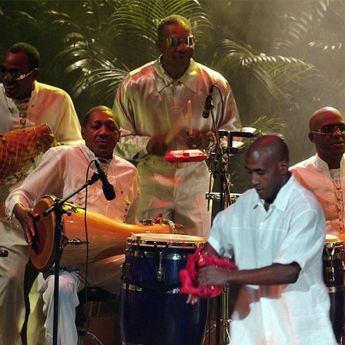
Folkloric group.
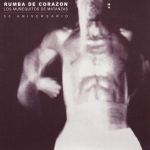
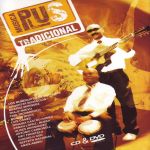
Towards October 1952, at the popular La Marina neighborhood in Matanzas City, a group of friends decided to formalize the artistic performances they spontaneously made at family and neighbors` parties. With that idea in mind, Esteban Lantri, Gregorio Díaz, Angel Pelladito, Juan Mesa, Hortensio Alfonso and Pablo Mesa founded the so-called Guaguancó Matancero group led by an experienced creator of that genre, Florencio Calle (Catalino).
The first performances of this group were made at the customary parties held in the Simpson and La Marina neighborhoods but, soon enough, the group"s fame went beyond the limits of the city. Their participation in a rumba constituted a guaranteed success in every party. They were invited to play at parties held in the capital of the country. They were frequently acclaimed at Los Jardínes de la Tropical and other entertainment centers. They shared the stage with highly reputed groups and orchestras
like the Aragón Orchestra and Arcaño y sus Maravillas. They made presentations at radio and television stations and recorded for the Puchito (1953 and 1955) and Panart (1954) record companies pieces than became true hits in the country as, for example, "Los Beodos", "El chisme de la cuchara" and "Los Muñequitos". The latter, based on characters from cartoons published by the newspaper on Saturdays and Sundays, caused such an amazement that the audience began to call them "Los Muñequitos". Soon after that, they began naming themselves "Los Muñequitos de Matanzas" (the cartoons from Matanzas).
Their repertoire included the main rumba genres performed with the personal style of both creators and performers in Matanzas, though constantly enriched by the personal characteristics they incorporated to the rumba expression.
The guaguancó is the most contemporary rumba genre. It has been uniquely performed by Los Muñequitos de Matanzas for they have introduced the syncopation and metrorhythmic distribution in the sound of instruments, as well as a melody and intonation that identify the Matanzas style when playing and singing the rumba.
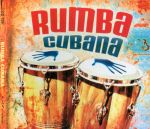
The chant is accompanied by a set of instruments composed by three tumbadoras acting as "salidor" or "tumbador", three dos and quinto, a guagua or catá, a wooden percussion instrument and the claves; the marugas (rattles) and the cajón are also used to broaden the timbre possibilities of the group or to produce the characteristic timbre of the rumba de cajón.
The melodic line relies on the voice of one or more soloists who sing a duet or alternate between them to establish a dialogue with the choir of both musicians and dancers. In this duet style, Esteban Lantri (Saldiguera) and Virulilla marked a new era in the artistic career of this group from Matanzas.
Many rumberos have been linked, in one way or another, to Los Muñequitos de Matanzas throughout these 50 years since the creation of this group. Five generations of Cuban musicians have performed in the group and, nevertheless, they have managed to preserve the spontaneity of its founders. Names like Diosdado Ramos, Ricardo Cané, Israel Berriel González, Rafael Navarro Pujada, among others, joined the group replacing the former members. As their true followers they preserved the classic repertoire and contributed with new lines of music and dancing creations.
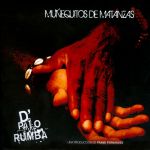
In 1997 they made their first long-playing record (EGREM, Cuba) which, undoubtedly, constitutes a true gem of Cuban discography. During the 1980s they made another two long-playing records.
During the last two decades, the music activity of Los Muñequitos de Matanzas has remarkably increased. Without abandoning the rumba, they have broadened their repertoire to include more popular African expressions: first, the chants and toques (beats) accompanying the entrance of the iremes or diablitos abakuá (small abakuá devils) and more recently the oru of chants and toques which characterize the celebrations of the Cuban santería.
Their participation in national and international festivals and events has been constant. They have made a number of recordings for radio and television stations in Cuba, France, England, Japan and the United States, as well as compact discs for the N.B.C in London (1989) and the Qbadise company in New York (1992).
By the end of 1992, the tour made by Los Muñequitos de Matanzas across sixteen American cities became a great success which was reflected by the press. They succeeded in convincing the most demanding audience. Since then, they have toured across many cities in the world with great success and have demonstrated the long-lasting presence of a music that will never be out of fashion, that is attracting the interest of all those captured by the quinto and the salidor or the beating of the guagua.